The Doors Still Exist. The Rooms Are Empty.
Your emotions want an entrance because entrances promise legitimacy without exposure.
An institution says, Come in here and we will tell you when you are real.
The problem is not that the doors are evil. It is that they no longer open into rooms with food.
For most of the last century, entrances mattered because provision followed admission. You joined the firm, the guild, the denomination, the platform. You waited your turn. You were patient. You were loyal. And eventually, the system fed you.
That world is gone.
The answer is not to find the right door. The answer is to stop needing doors to feel real. What replaces entrances is presence. What replaces permission is jurisdiction. And what replaces legitimacy is provision.
That shift is not psychological. It is economic.
Silver Carries Load?
Samsung is developing a battery capable of charging in roughly nine minutes with a range approaching 900 kilometers. The specific chemistry and deployment timeline remain unverified. What matters is that it does not rely on lithium. It takes silver.
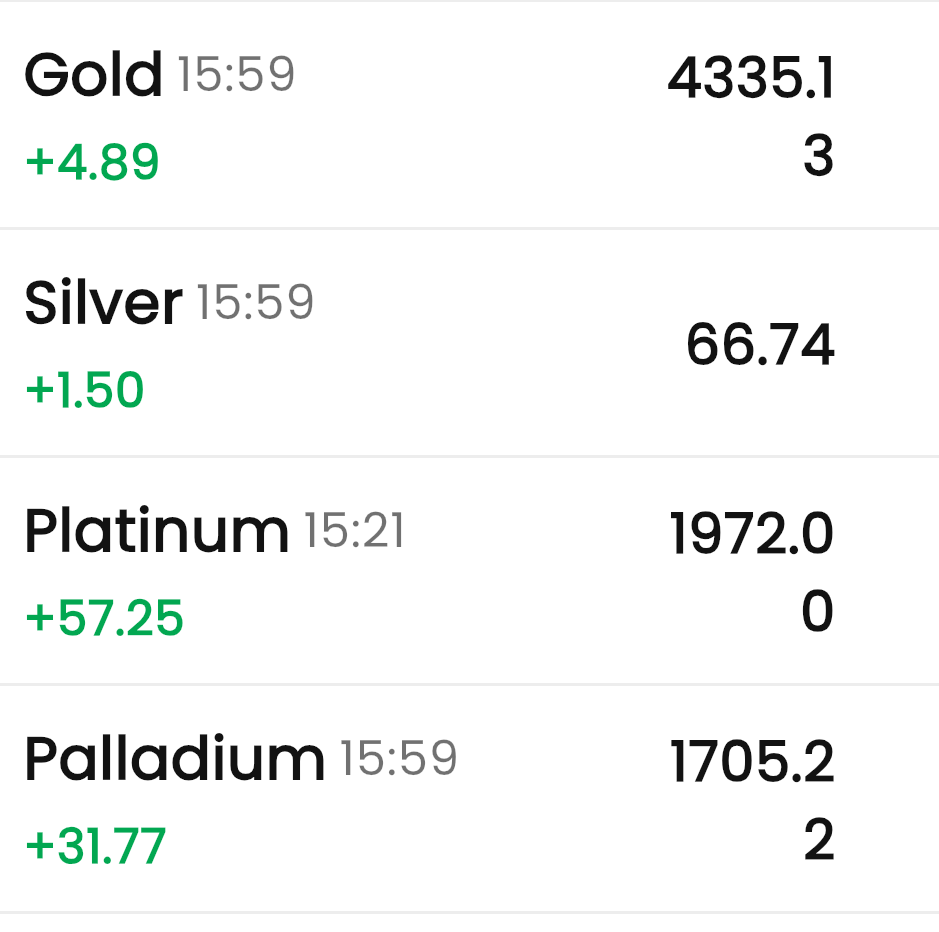
Fast-charging, long-range batteries are not lifestyle upgrades. They are infrastructure accelerants. If they work, they demand real inputs: conductive metals, manufacturing capacity, thermal management, grid throughput. They do not care about narratives. They require atoms.
Silver is not a story metal. It is a throughput metal. It conducts current. It dissipates heat. It survives scale. And it’s on worldwide backorder.
If electrification moves from promise to deployment, silver will go from debated futures option to commodity necessity comparable to oil.

Don’t Trust the Denominator
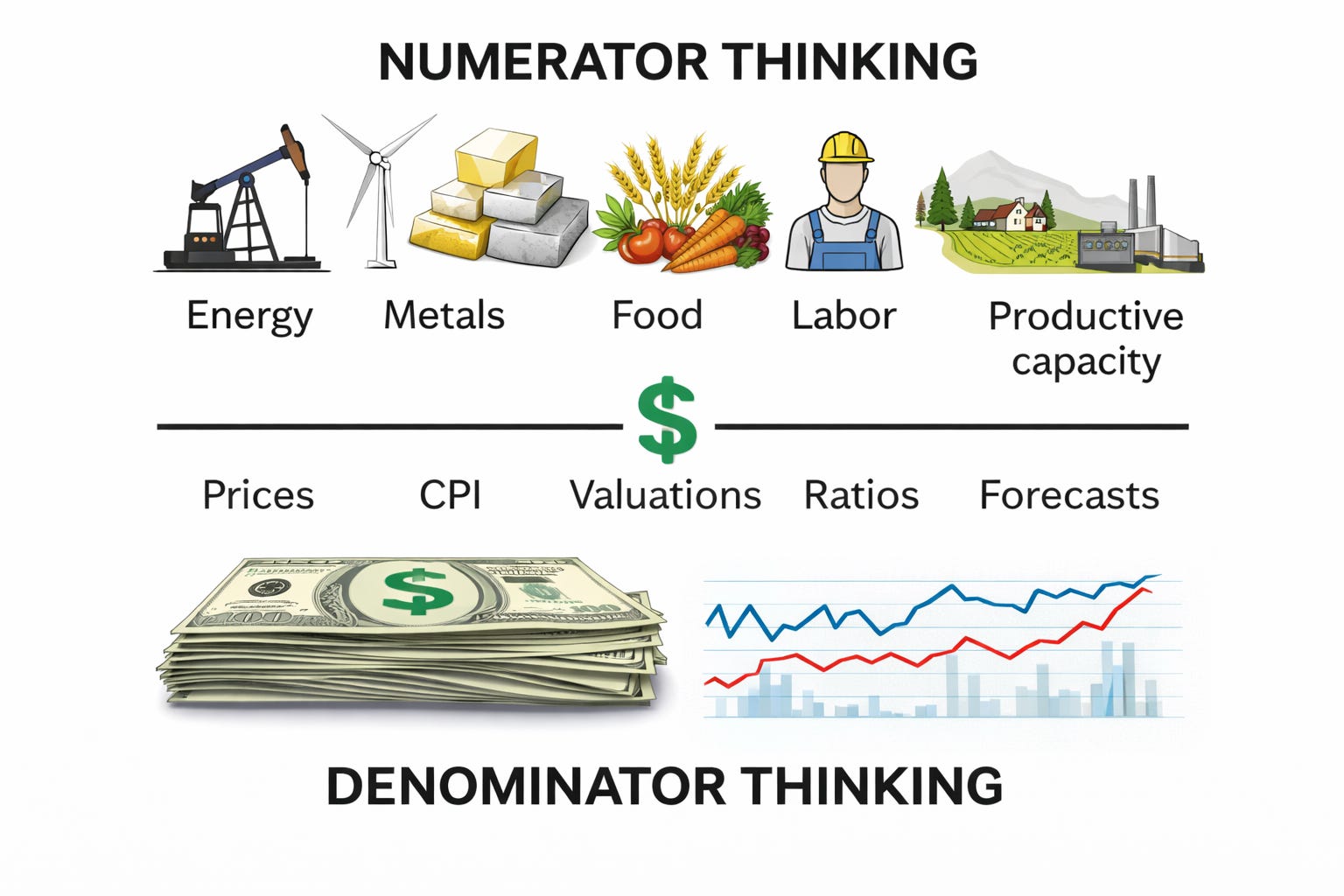
It’s imperative that Christians understand we are living in a fiat economy. This takes one, simple mathematical principle to keep straight: the denominator is the measuring stick; the numerator is the thing being measured.
The dollar is under.
The real things are over.
Prices. CPI. Valuations. Ratios. Forecasts. These are how we measure.
Energy. Metals. Food. Labor. Land. Productive capacity. This is what we measure.
Denominator thinking asks, What does it cost? Numerator thinking asks, Does it actually exist? And, now, imperatively, can it scale?
A Clean Example
Headlines this week roared that inflation cooled sharply. This was BIG news: 2.6% appeared “completely insane.”
That’s because it was.
Even as markets relaxed, the ruler looked straight, and cable TV financial advisors told you Bitcoin was dead, a closer look showed the reports used to graft these numbers had missing data rooted in strange category behavior.
Was it deception? You decide. Honest talk lives with that tension instead of choosing a side. But I know this: it shows fragility in the ruler.
But But But Bitcoin!
Bitcoin ended the week way down near 88,000. This was not a failure of scarcity. It was a reaction to shifting liquidity expectations, no doubt catalyzed by the unprecedented moves by Japan.
But let’s focus on our model: Bitcoin is a numerator asset priced in a denominator system. Bitcoin is not dollars. Bitcoin’s value is measured in dollars because that is the story the world has agreed on.
Bitcoin is not a technology play (like, say, Ethereum). It is a monetary reversion thesis built into a permanent form of code. It is a math equation that assumes that trust erodes faster than institutions can repair it, and that a credibly scarce, non-sovereign asset becomes legible not because it is efficient, but because it is stubborn.
That is why it behaves like a reserve and not a tool. You do not “use” Bitcoin often. You hold it across regimes, across presidents, across failures of imagination. Its volatility is the admission price for something that does not ask permission. Over decades, Bitcoin’s job is not to outperform everything. Its job is to still exist when other promises are rewritten.
In this, Bitcoin’s power is not speed, programmability, or friendliness. It is refusal. No committee can fix it. No founder can pivot it. No emergency can override it. Even a meteor destroying the grid would only take it out until the grid came back up.
Like gold, you cannot eat it. Like bullets, you cannot drink it. But because it is more destabilizing to the dollar story than both, when the ruler wobbles, Bitcoin moves first.
That does not make it weak. It makes it a sensitive measure.
This is why people misread it. They expect it to behave like a stock or a belief system. It behaves like a pressure gauge. When liquidity tightens or credibility wavers, the gauge moves before the pipes burst.
The End of the Queue Economy
Now bring this back to human life. You were trained to enter legitimacy through queues:
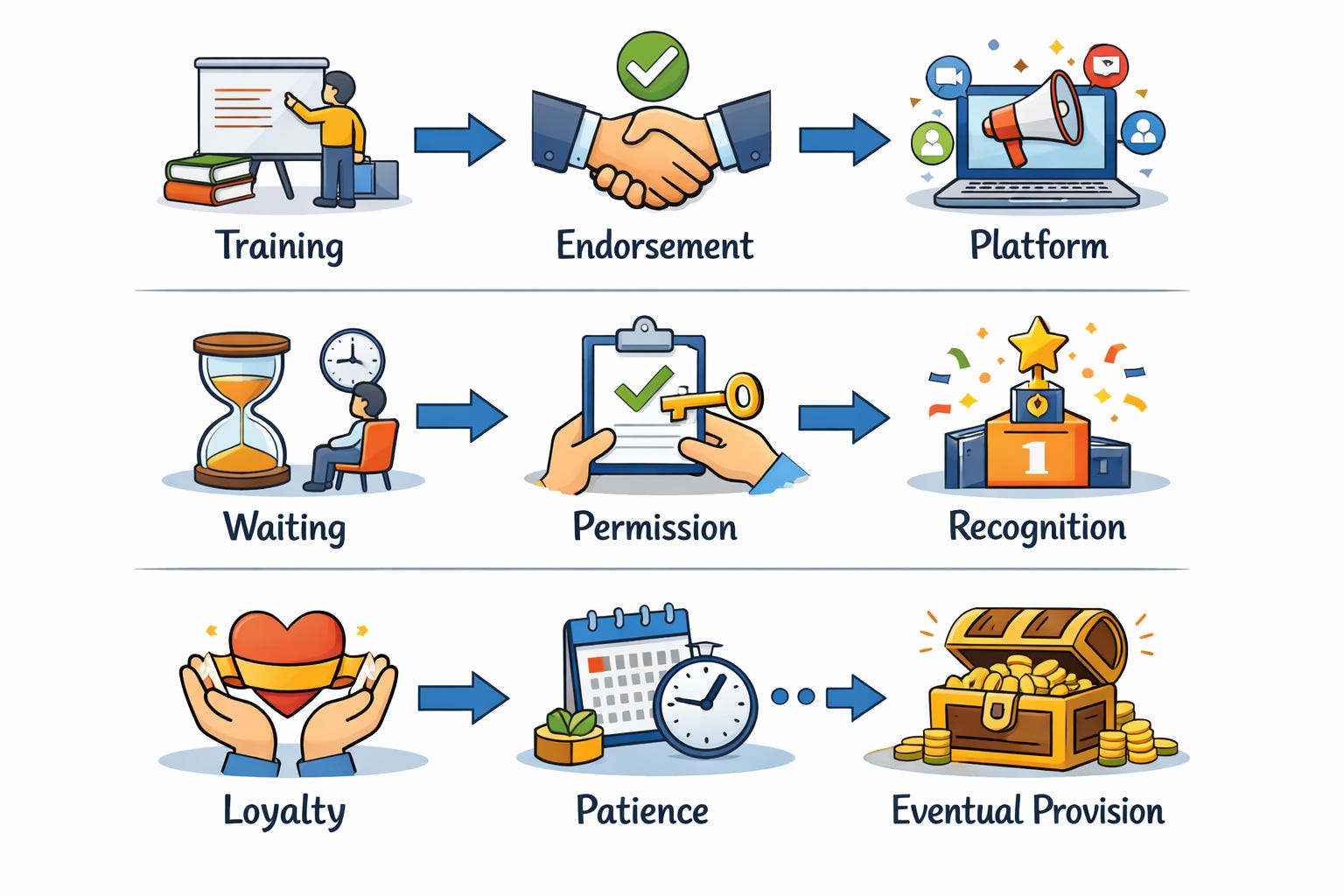
This model assumed three things that are no longer true: Institutions no longer reward fidelity. Time-in-queue does not increase legitimacy. Provision does not follow recognition. These assumptions expired quietly sometime after 2008.
The building was remodeled while you were inside. The modern economy no longer provisions from queues. It extracts from them. So, if you’re like me, you did everything right and still found yourself further from your goals at the end of this year.
This is not failure. This is misallocation of trust.
Jurisdiction Is the New Signal
What replaces queues is not confidence. Not boldness. Not risk-taking.
Jurisdiction.
Jurisdiction says: I do not absorb volatility that is not mine. I do not stabilize systems that refuse correction. I do not wait in lines that do not feed my household.
Jurisdiction does not announce itself. It does not persuade. It does not seek permission. It simply acts from boundary.
This is why tools matter more than platforms now. Tools feed people. Platforms grant recognition. Recognition used to precede provision. Now provision is the only recognition that counts.
Where This Leaves You
This week did not announce collapse. It did not announce rescue. It revealed alignment. The economy is no longer organized around admission. It is organized around output. Not performance theater. Not credentialed legitimacy. Actual provision.
Silver matters because it conducts. Bitcoin matters because it refuses. Food matters because it feeds. Energy matters because it moves.
These are not denominational narratives. They are numerical facts.
Western institutions still speak the language of doors and cred because doors and cred preserve hierarchy. But the economic network you are actually in, and which will not be turning around, responds only to presence. To real things. It does not grant authority for free. It recognizes true things where they are embodied.
That is why waiting feels like suffocation now. That is why patience no longer compounds. That is why loyalty without yield feels like starvation instead of virtue.
The field has changed its rules without asking your consent.
Seizing Jurisdiction is not Rebellion.
It is the quiet refusal to continue stabilizing systems that no longer reciprocate life. No magic doors will open. You just stop asking to be let in.
The borrower is slave to the lender. This is not financial advice. This is a witness for Christians who want honest scales, sober sight, and faithful stewardship under the reign of Jesus Christ.
When He is the signal, legitimacy follows—not the other way around. So if you feel disoriented, it is not because you are behind. It is because you are standing at the exact point where the old economy has taken the mask off. The ruler is bent, and the King is challenging you to trust Him today.