

The Internal Tribunal
The accuser of our brothers has been thrown down.
There is a quiet mechanism operating inside many competent, conscience-driven adults. It does not present as fear. It presents as responsibility, realism, discernment. But underneath, it functions as a court.
Evidence is gathered in advance. Future rejection is tried ahead of time. Hope is ruled inadmissible. By the time opportunity arrives, the verdict is already in.
Not because faith is absent, but because the nervous system learned somewhere that being seen invites punishment.
Not weakness.
Adaptation to feeling betrayed.
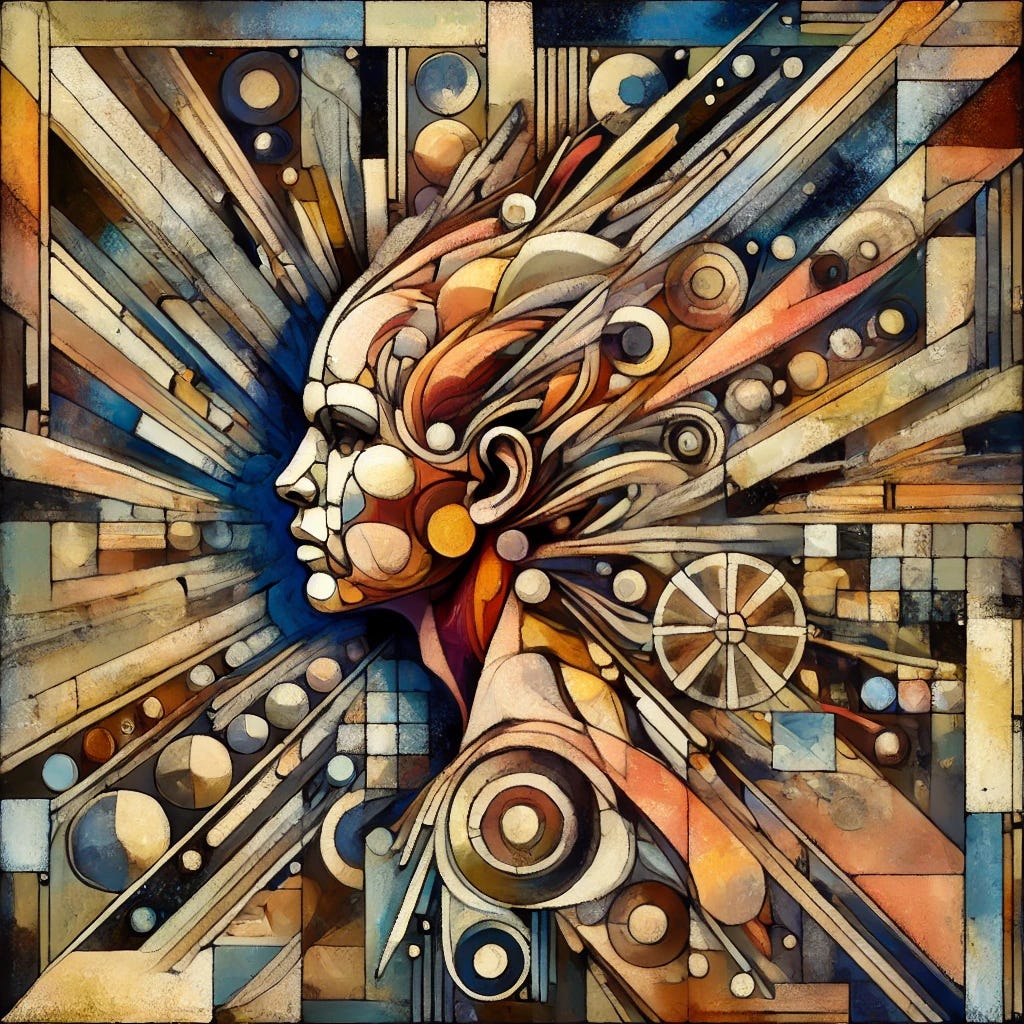
The internal tribunal is not negative thinking. It is institutionalized self-prosecution: anticipatory disqualification; discounting traction unless it pays immediately; trying tomorrow’s rejections today. What Scripture names as accusation often survives as internal habit. The accuser may be thrown down, but his logic remains encoded in the body.
Its function is simple: preserve despair as a controlled state. If you convict yourself first, no one else gets to surprise you.
This self-betraying system does not activate primarily in failure. It activates in rest. When conscious defenses drop, accusation surfaces: You’re worthless. You did this to yourself. There’s no way out.
This is how high-integrity people learn to imprison themselves. The tribunal succeeds by converting rest into threat, opportunity into accusation, and forward motion into moral danger. Your body carries it before your mind, and your mind finds stories to name the feeling you’ve been conditioned to accept: structural bracing, tightened breathing, paralysis.
Not laziness. Freeze.
Where Hope Disappointed
Trust in the Lord with all your heart, and do not lean on your own understanding.
What can you do when even hope itself has become unsafe? When goodwill has been weaponized? When relationships have collapsed into defense and accusation?
When the masks come off and it’s not grace living inside?
After enough time, hope stops feeling virtuous. It feels naïve. This is not cynicism. It is somatic learning. Your body remembers that clarity is not good enough when mutuality is absent. Your heart knows that the others are not really listening. You can feel in the room that you are the only one showing your cards.
Your instinct to withdraw is not faithlessness. It is confusion.
The nervous system, having lost trust, wants to locate safety in agreement. It wants shared clarity. But consensus so rarely appears that hope becomes its own threat. Discernment is working, but it is hijacked into procrastinatory fear. Trained to believe that movement without certainty is dangerous, you wait.
And wait.
But this does not guarantee peace.
Peace with others is not a guarantee.
Peace is not certainty. It is alignment. Truth is not agreement. Truth is a higher authority. Hope is not emotional readiness. Hope is unequivocal submission.
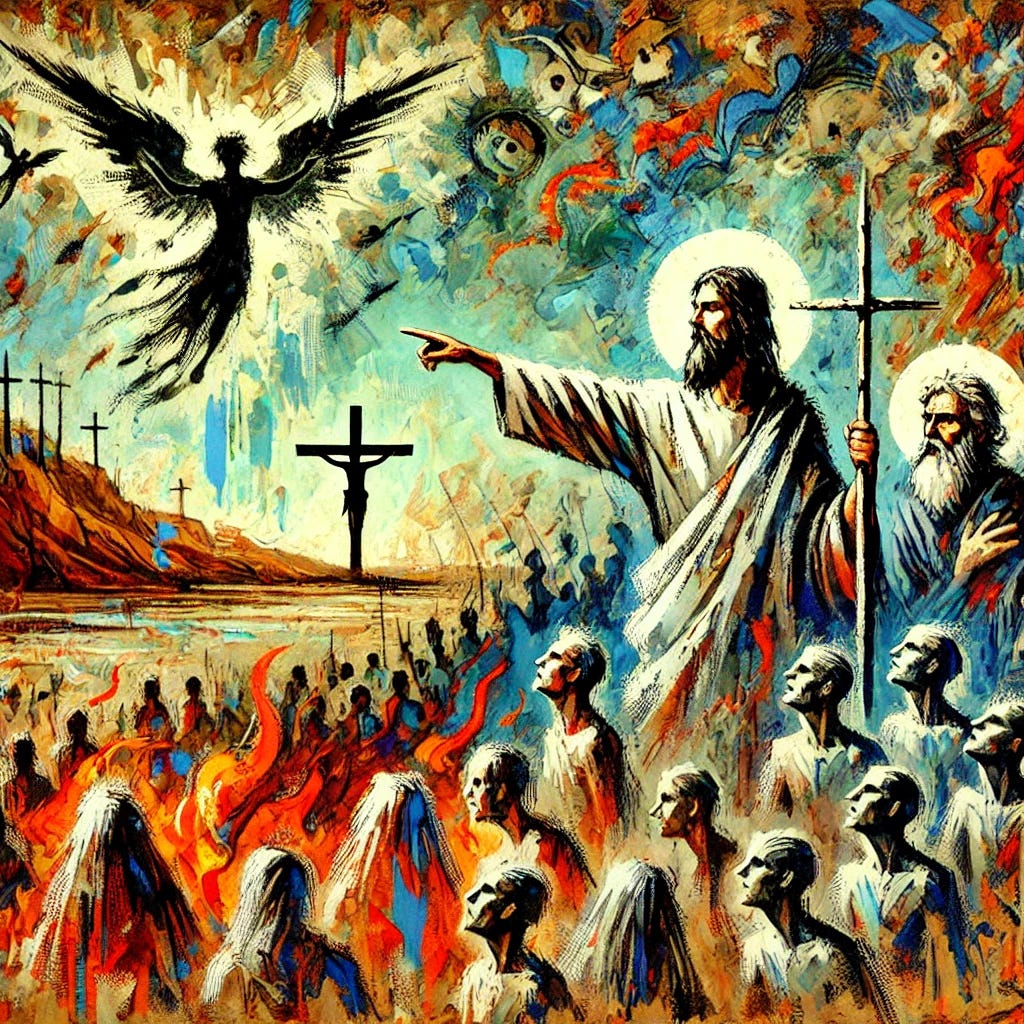
Moral Sabotage
My yoke is easy, and my burden is light.
The modern moment does not teach distrust of peace by direct assault. It sabotages rest by omission. While autonomy is lauded as the highest virtue, the unmentioned loss is the quiet laundering of authority.
Authority is the groundwork of Sabbath. Man cannot rest when he believes he is his own master. Independence requires constant vigilance, and constant vigilance quietly catechizes us into perpetual insufficiency. Progress may exist, but no amount of progress is enough. Instead of fathers, we get anxiety. Instead of inheritance, we get fiats. Today’s gain must justify tomorrow’s loss.
When managing imagined futures becomes proof of faithfulness, ease grows suspect. Rest is quietly converted into lost earning. The gift becomes a wage.
To the betrayed, calm then feels suspicious: making dinner; paying this month’s bills; showing up to church even when it disappoints; letting church be about people, not performance. These acts are good, but are they enough?
Routing risk upward feels dangerous. Submitting to the orders of creation without enforcing them on others looks like losing. But the war is not about keeping others’ sin out of your life. It is keeping the world out of your conscience.
You don’t manage tomorrow by locking it down. You accept that today is not over yet. Even “tomorrow,” it will still be here.
Obedience Over Certainty
Why do you call Me ‘Lord, Lord,’ and not do what I tell you?
Depending on future outcomes and the preemptive prosecution of your own heart hinge on the demand for certainty before obedience.
Obedience is obvious. Obedience is simple.
Not perfect obedience. Not heroic obedience. Not justification by obedience.
Just simple trust.

Freedom without a master is tyranny: tyranny of the accuser, tyranny of the system, tyranny of the inner court. This is a form of insanity, a strong delusion that rejects what God has created in the name of something better built by ourselves.
Obedience receives the simple gifts of food, sleep, prayer, clothing, and home not as optimization but as stewardship. Refusing spiritual coercion may hurt more: good tears; an ash heap; trust without performance; acceptance without resignation; more prayer. You soften without surrendering. You refuse to weaponize your wounds. You stop bargaining with outcomes. You accept traction without guarantees. You route risk upward and stay in your lane.
But this is faithfulness measured not by outcomes but by integrity. You remain steady and trust in gravity to work. Life is not supposed to become easier. It is supposed to be governed well.
Alignment Comes Down
Commit your work to the Lord, and your plans will be established.
The internal tribunal does not need to be defeated. It needs to be outlived. It loses authority the moment obedience ceases being optional.
The accuser survives by exploiting delay, abstraction, and imagined futures. He works through the tribunal by keeping your life suspended in what has not happened yet. This mythology collapses when you return to what is in front of you—when you eat, pray, work, speak plainly, and remain under Jesus Christ without bargaining for your will to be done.
Truth does not arrive as certainty. Freedom does not arrive as relief. They arrive as jurisdiction. You stop prosecuting your future. You stop demanding guarantees. You stand where Christ placed you.
And you stay.
When the tribunal activates, do not argue with it. Stay in the fire under God.
Speak the truth. Call on Jesus Christ. Be where He placed you.
Eat the meal. Do the work. Make the call. Clean the room. Pray one Psalm.
It’s not a performance.
Measure with simplicity. Route risk upward. Stay in your lane.
Stability compounds. Gravity is real. You do not need permission to obey. You need courage to rest without guarantees.
You are not fixing your life.
You are occupying it.
In peace I will lie down and sleep, for You alone make me dwell in safety.

“You can feel in the room that you are the only one showing your cards”. This is a significant statement, in my opinion, that you highlighted in this article.
“Showing your cards” somehow “feels” like the “Christian” thing to do in most circumstances. But is it? Jesus didn’t show His cards to the hard hearted. He spoke in parables to conceal the truth from them. He put on His “poker face” quite often. He only “showed His hand” to those who legitimately wanted to know.
What’s my point? You do not have some type of “Christian obligation” to show your cards to someone who’s playing a different game. Your cards won’t matter if their game is to throw darts.
Study the hand you have been dealt and only show those cards to people who have your back. Otherwise, it will just be a dart thrown at the king of hearts.
Praying for your strength, wisdom and discernment!
P.S. Your conclusion in this article is profound. Just live life. That simple act will aggravate a dart thrower. They are all about scoring points on the board. You don’t get points by living life based on what’s presented to you. If it snows, you shovel. No points earned. But what you do get by a shoveled driveway is a clear path forward.
Psalm 20
May the Lord answer you in the day of trouble!
May the name of the God of Jacob protect you!
2 May he send you help from the sanctuary
and give you support from Zion!
3 May he remember all your offerings
and regard with favor your burnt sacrifices! Selah
4 May he grant you your heart's desire
and fulfill all your plans!
5 May we shout for joy over your salvation,
and in the name of our God set up our banners!
May the Lord fulfill all your petitions!
6 Now I know that the Lord saves his anointed;
he will answer him from his holy heaven
with the saving might of his right hand.
7 Some trust in chariots and some in horses,
but we trust in the name of the Lord our God.
8 They collapse and fall,
but we rise and stand upright.
9 O Lord, save the king!
May he answer us when we call.
Continuing to pray for you and your family.