Paul’s address to the synagogue at Pisidian Antioch is tucked in a corner, but well worth discovering. It is not merely an evangelistic message. It is a model of Christian reasoning. It demonstrates what the apostles believed about “the Gospel,” illustrates how Scripture should be read, and redeems the meaning of “history” in the one man, Jesus Christ.
Modern readers remember Mars Hill, with personal experience, philosophical argument, and “all things to all people.” But here Paul does none of these. He goes straight for the throat of the matter. He goes directly to history.
Christianity is not founded upon private enlightenment but upon public events. Before there can be interpretation, there must be reality. Before there can be doctrine, there must be something God has actually done. Paul therefore does not ask his hearers to abandon the story they already know. He asks them to follow it to its proper conclusion.
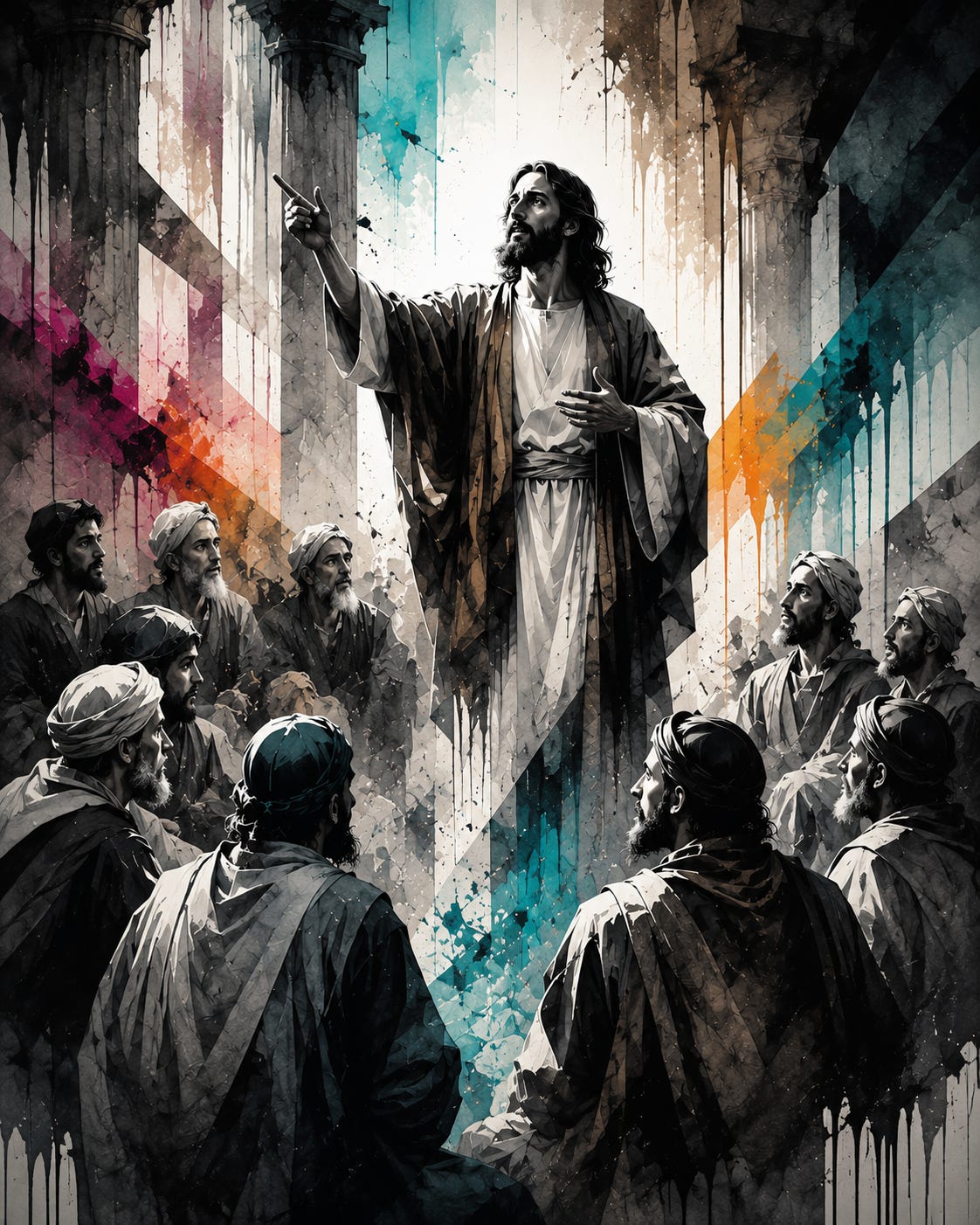
Standing before Jews and God-fearing Gentiles in the synagogue, Paul starts with agreement. God chose the fathers. He delivered Israel from Egypt with an uplifted arm. He endured their rebellion in the wilderness. He destroyed the nations of Canaan. He distributed the inheritance. He raised judges. He gave Saul. He removed Saul. He established David.
Notice the rhythm.
God acts. The people fail.
God acts again. The people stumble again.
The story advances not because Israel proves faithful but because God refuses to abandon His promise. Paul is not assembling disconnected Bible stories. He is revealing that Israel has always possessed one continuous history. Every generation inherits the unfinished work of the one before it. Every covenant points beyond itself. Every deliverance creates an expectation still waiting to be fulfilled.
The judges cannot complete the story. Saul cannot complete the story. Even David cannot complete the story.
David is not the destination. He is the promise. From David’s seed, Paul announces, God has brought to Israel a Savior: Jesus.
The transition is remarkably natural. There is no abrupt leap from Old Testament to New Testament. There is no replacement of Israel’s Scriptures by a different religion. The story simply reaches the chapter toward which every previous chapter had been moving.
There is fulfillment.
John the Baptist serves as the final witness standing at the threshold. He belongs to living memory. He is not ancient history but recent events. Many in Paul’s audience would have heard reports of his preaching. John therefore functions as the final historical bridge between the prophetic expectation and the appearance of the Messiah.
Then Paul arrives at the great irony.
The rulers in Jerusalem, those entrusted with reading Moses and the Prophets every Sabbath, failed to recognize the One about whom Moses and the Prophets continually spoke. Their ignorance did not frustrate God’s purpose. It fulfilled it.
The very men who condemned Jesus completed the pattern the prophets had announced. Pilate, the Sanhedrin, the crowd, the cross, the sealed tomb—these are not religious symbols floating somewhere above history. They are public events. They happened under named rulers in known places before eyewitnesses. The Christian proclamation does not ask the world to believe in myths. It asks the world to reckon with history.
This is why the resurrection occupies the center of Paul’s sermon.
He does not present it as an inspiring metaphor. He does not reduce it to the persistence of Jesus’ influence. He proclaims that God raised Him from the dead and that He was seen over many days by those who had traveled with Him from Galilee to Jerusalem.
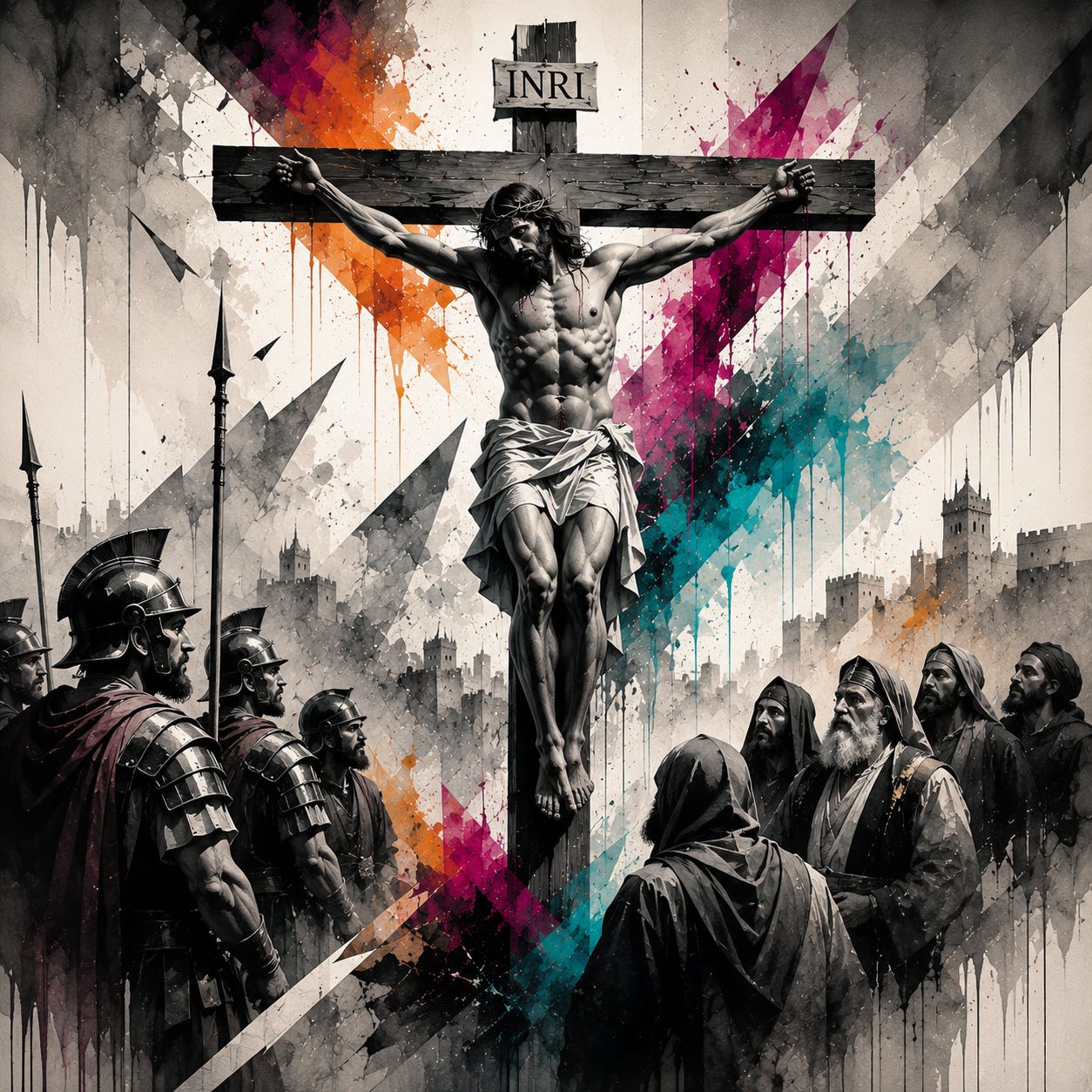
Christianity stands or falls here.
If Christ remains in the grave, the sermon collapses.
If Christ has risen, history itself is now turned upside-down.
The resurrection is not simply another miracle among many miracles. It is the decisive event that reorients everything that follows. It vindicates Jesus’ identity. It confirms the promises made to David. It establishes His everlasting Kingdom. It announces that death is conquered on behalf of all.
For this reason Paul can proclaim something Moses never could.
“Through this Man is preached to you the forgiveness of sins; and by Him everyone who believes is justified from all things from which you could not be justified by the law of Moses.”
This is not a criticism of Moses. The Law accomplished precisely what God gave it to accomplish. It revealed sin. It instructed Israel. It guarded the promise. But the Law was never the destination. It pointed beyond itself toward the One who would accomplish what sacrifices, priesthood, and ceremony could only foreshadow.
The resurrection declares that this work is finished.
Predictably, not everyone rejoices.
Luke records one of the most enduring patterns in the history of the Church. Those who have been waiting for the promise receive it with gladness. Those whose authority depends upon preserving the existing order become jealous.
The conflict is not merely intellectual. It is institutional.
The following Sabbath nearly the whole city gathers. The Word is spreading. The established leadership begins contradicting Paul, not because his history is false, but because his conclusion threatens their position within that history.
Paul’s response is striking. He does not curse them. He does not seize authority for himself. He simply announces that by rejecting the Word they have judged themselves unworthy of eternal life, and he turns toward the Gentiles in accordance with the prophets themselves.
The mission widens. The promise expands. The Word continues to run.
Luke closes the episode with remarkable simplicity. Paul and Barnabas are expelled from the district. They shake the dust from their feet. The disciples remain filled with joy and with the Holy Spirit. Outwardly, the missionaries have failed. Inwardly, the kingdom has advanced.
Read history differently, now.
History is not the succession of empires or the rise and fall of governments. History is the unfolding faithfulness of God through time. The Exodus matters because it points to Christ. David matters because he points to Christ. The prophets matter because they point to Christ. Even the rejection of Christ becomes part of the story that reveals Him.
The resurrection stands at the center because it is the event that gathers every previous promise into one completed reality.
The fathers. The Exodus. The wilderness. The judges. The kings. The prophets.
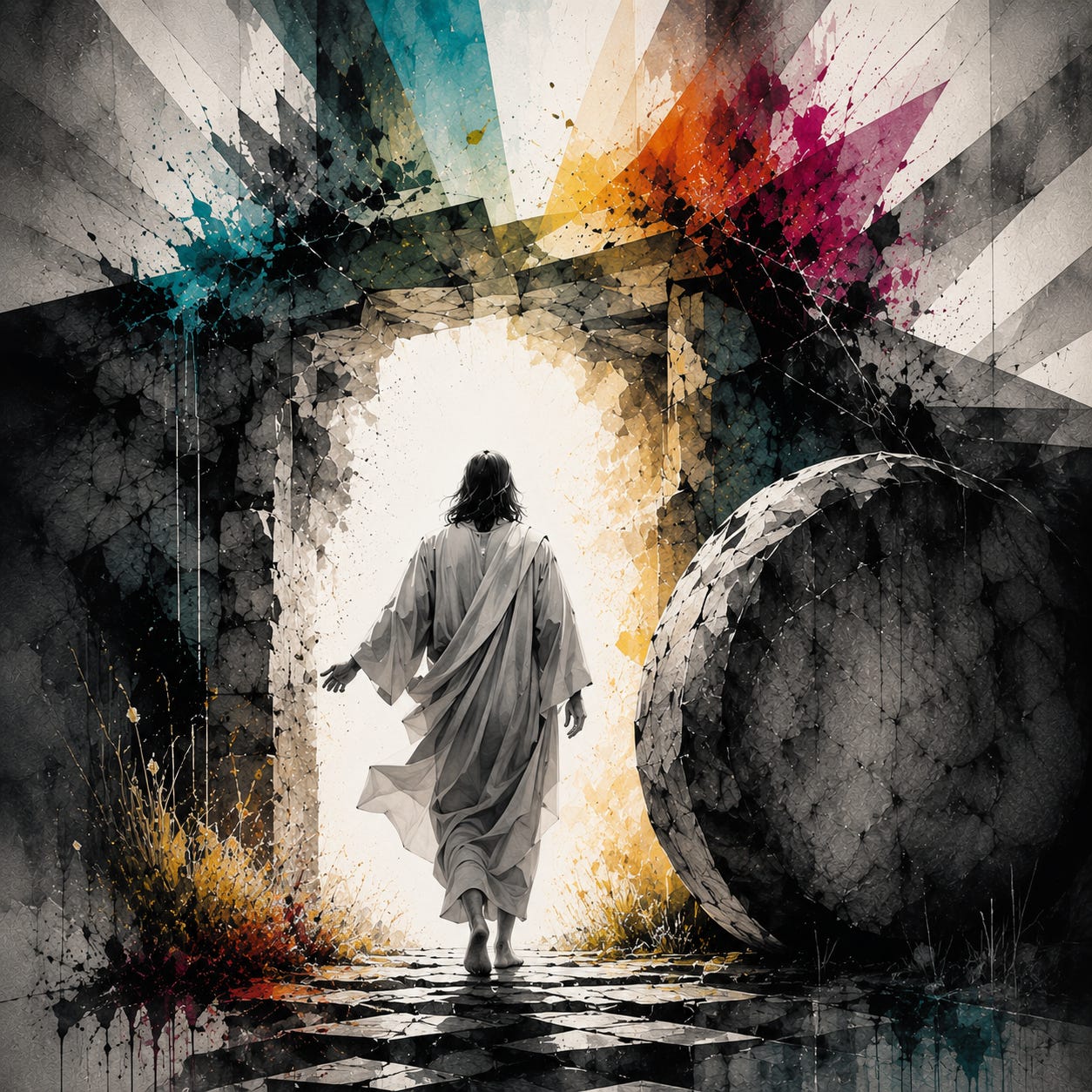
The cross. The empty tomb.
One story.
Its author is God.
Our King is Jesus Christ.