

The modern world has quietly changed its definition of intelligence.
We imagine information consists of isolated units called data. Facts are interchangeable objects. Words are arbitrary labels. Symbols are conventions.
The intelligent person is therefore the one who stores more information, who recalls it quickly, who computes efficiently, and who manipulates that data successfully.
This understanding is so common that it appears self-evident. But it rests upon a false premise.
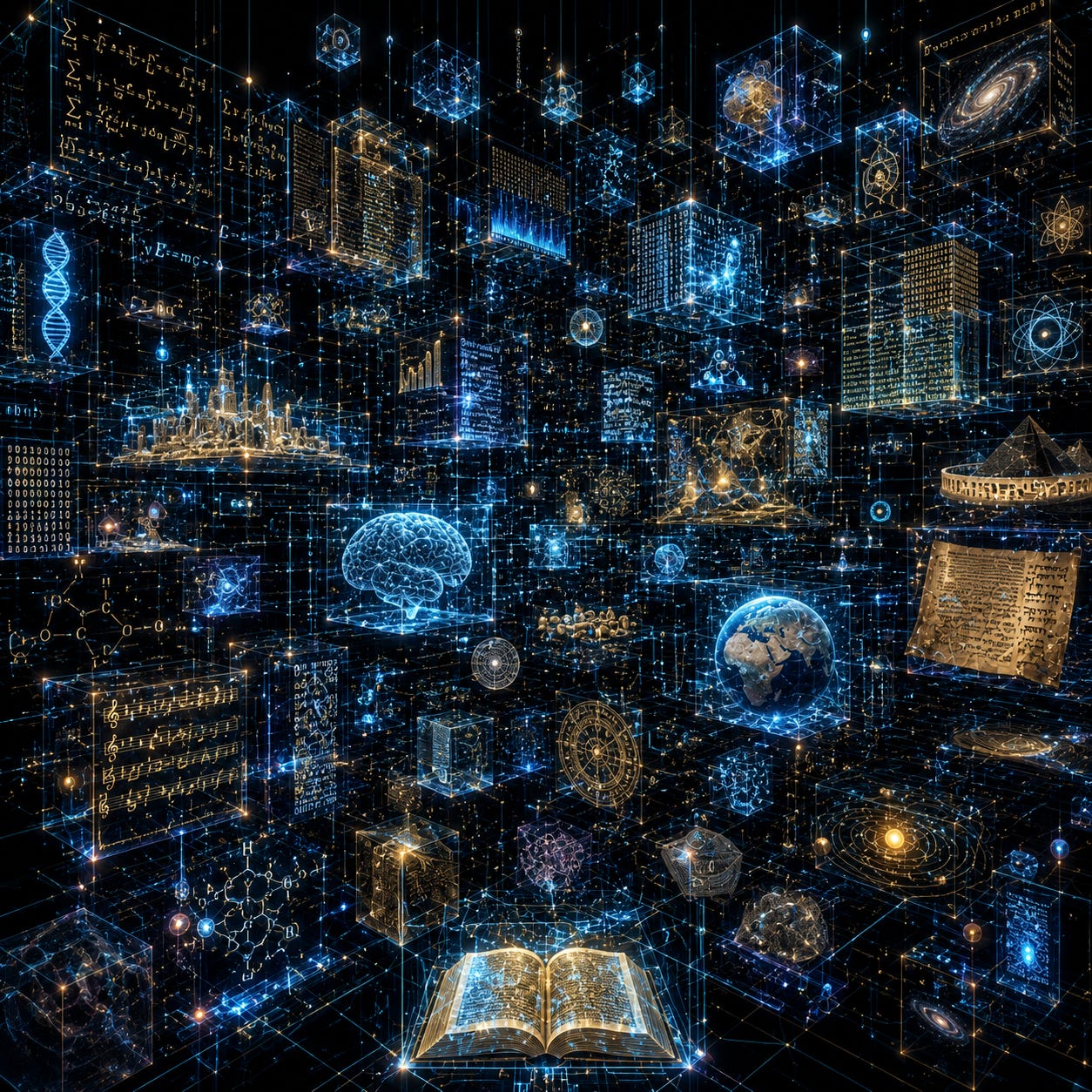
Information is never isolated.
Every fact belongs to a history. Every word belongs to a language received from others. Every idea inherits distinctions made long before we were born. Even the simplest observation depends upon relationships that precede the observer. Information does not arrive as disconnected particles waiting for a mind to assemble them. It arrives already bearing an inheritance.
Information is historical before it is semantic.
A fact is never exhausted by what it presently denotes. It also bears the accumulated relations that made it possible.
A city is not merely a place but the ongoing results of innumerable human events. A nation is not merely a political arrangement but an inheritance of generations of lives. A word is not merely a current meaning but the surviving witness of a long history of exchange. Remove that history, and the thing has not merely lost its explanation. It has lost its identity.
Data can be copied endlessly without regard to its origin. It is intentionally abstracted from its surroundings so that it can be stored, transmitted, and manipulated. Intelligence is different. Intelligence belongs somewhere. It possesses provenance. It exists within relationships that cannot simply be discarded without changing the thing itself. The path by which something came to be belongs to what it is.
Intelligence, therefore, is not the mere accumulation of information.
Intelligence is remembrance of information that relates.
This distinction may appear modest, but it transforms nearly every field of study. The mathematician does not create the properties of number. He discovers them. The astronomer does not manufacture the motions of the heavens. He observes them. In each case, genuine understanding begins with submission to reality rather than mastery over it.
Intelligence learns humility.
Reality precedes us. We enter a world already speaking, already ordered, already filled with histories that were unfolding before we arrived. Intelligence learns by listening.
Modern thought reverses this order. Meaning is treated as a human construction. Categories become social agreements. History is raw material from which competing narratives are assembled. Originality descends as the highest intellectual virtue.
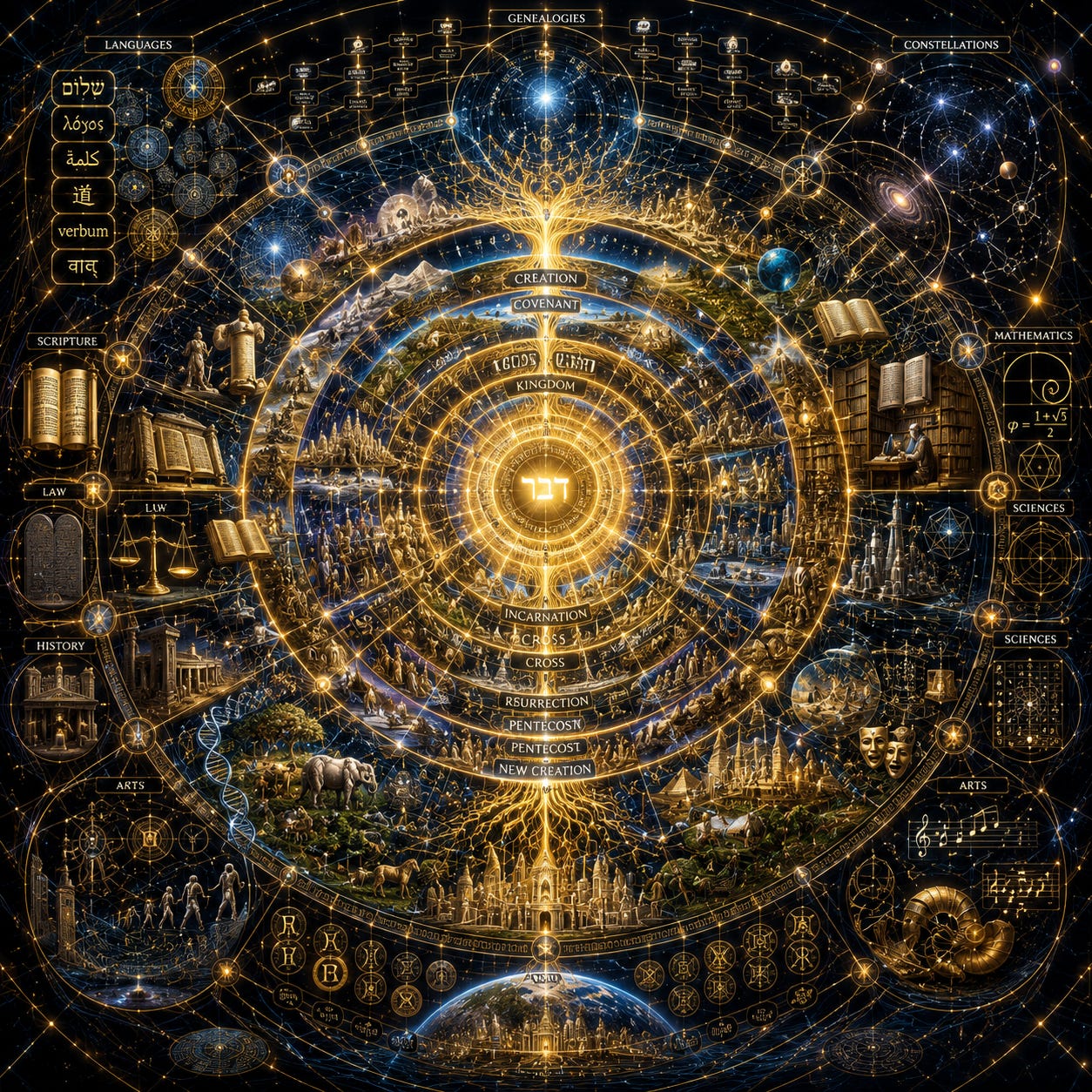
No one invents language. No one creates logic. No one devises order. The most revolutionary thinker’s thinking revolves entirely around materials received.
Innovation is never the opposite of inheritance. It is the fruit of inheritance faithfully cultivated.
Scripture assumes this.
The biblical narrative does not begin with abstract principles but with acts of God unfolding through time. Creation gives way to the fall. The flood leads to covenant. Covenant prepares for kingdom. Kingdom anticipates the incarnation. The cross precedes the resurrection. The resurrection opens into Pentecost.
The Bible does not present history as a temporary vehicle for timeless truths. History is the arena in which the Word lives and moves and has His being.
It is easy to hurry past the genealogies of the Bible because they feel like interruptions in the story. But identity is inherited before it is asserted. Fathers matter. Names matter. Sequence matters.
The repeated command to remember rests upon the same foundation. Memory is not merely the storage of information. It is the preservation of relationships across time. To remember is to maintain continuity. Forgetting fragments what God has joined together.
Remembrance restores.
This is why theories must remain servants. A theory can describe observed relationships with great usefulness, but it possesses no independent authority. It remains accountable to reality. When theory replaces fact instead of explaining it, understanding dies beneath a thousand abstractions. Systems multiply while wisdom diminishes. The map quietly declares its independence from the country.
The crisis of modern thought is therefore deeper than intellectual disagreement. It is a crisis of posture. We now approach reality as something to construct, revise, or negotiate.
Intelligence notes that the opposite posture is mandatory. Reality is first to be received as it is. The world is not waiting for our permission. Coherence precedes our recognition of it. If we do not understand what we see, we are either too stubborn or too proud to accept that God’s folly is wiser than man’s strength.
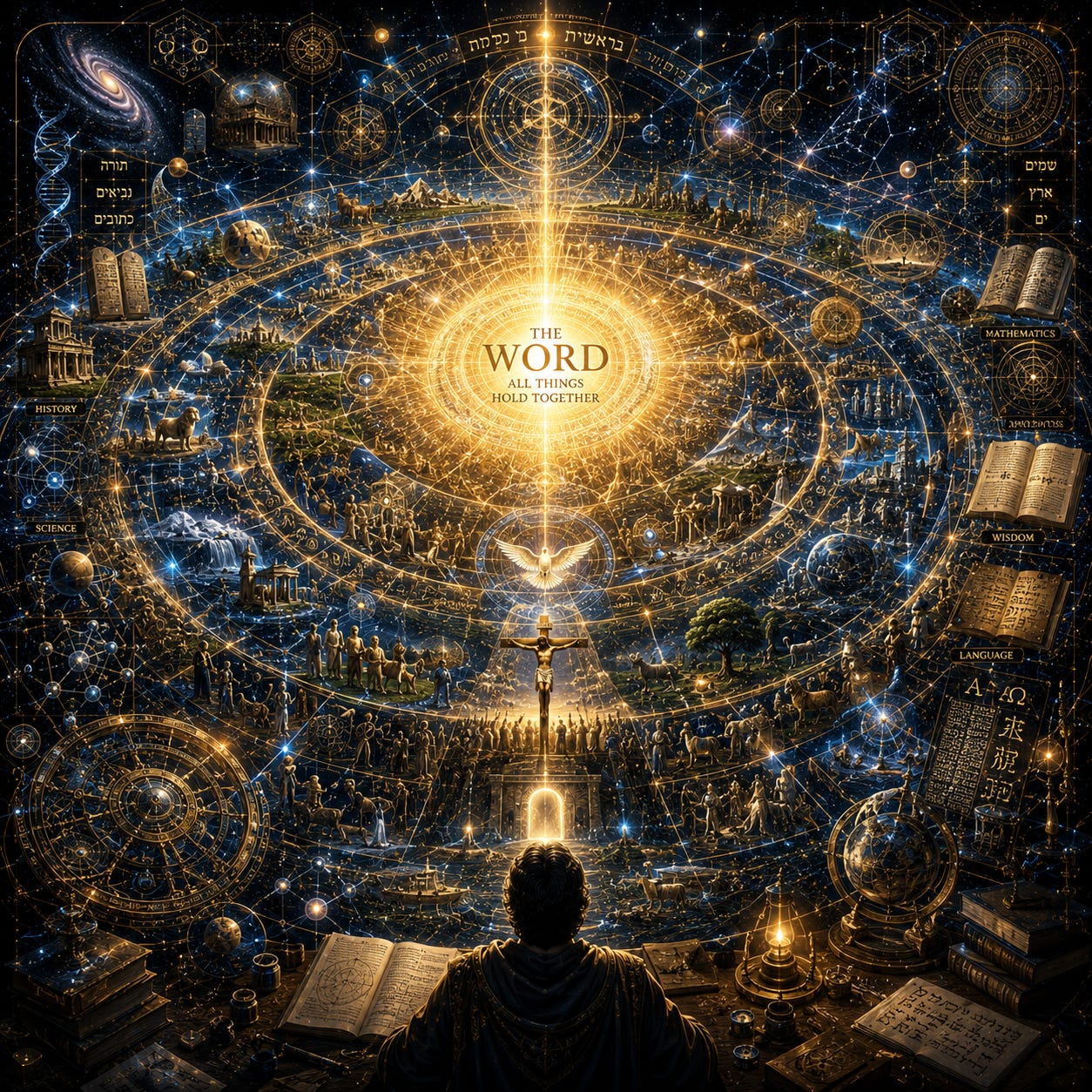
The universe, even in chaos, is intelligible because it was spoken into being by Jesus Christ. The coherence we discover is not manufactured by the human mind. It is sustained by the One through whom all things were made and in whom all things continue to hold together.
History is not the gradual erosion of meaning but its accumulation under the faithful governance of its Creator. This places every discipline upon common ground. Science becomes the recognition of created order. History becomes the reception of providence unfolding through time. Language becomes the inheritance of living memory. Theology becomes the confession of the One who gives coherence to every other field because He Himself is their source.
Intelligence, therefore, is neither cleverness nor originality.
It is reverence.
The intelligent man sees that reality is older than his opinions, wiser than his systems, and more coherent than his imagination. He approaches creation not as its author but as its heir. He receives before he explains. He remembers before he judges. He inherits before he innovates.
Only, thus, does a man learn to speak.

God speaks, we listen. God gives, we receive. Satan and the world appeal to our sinful pride but true wisdom / intelligence begins with reverence and awe and fear of God the Father almighty, Maker of heaven and earth. thanks for your good work!